
Perception is everything
Political campaigns are not run solely on merit and honor, they need momentum and influence to win. As the media continues to play a more integral role in our everyday lives, so does its effects to sway our opinions on candidates running for office. But is this a good or a bad thing? With so much information out there, how can you know if your algorithm is giving you all the relevant information you need to make an educated decision?

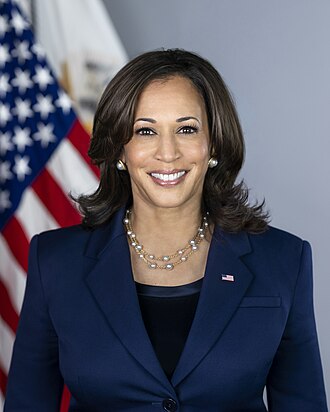
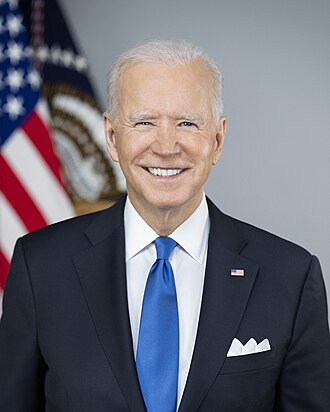
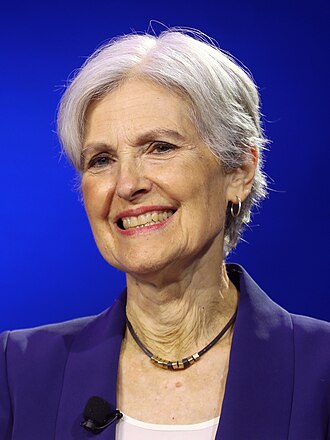
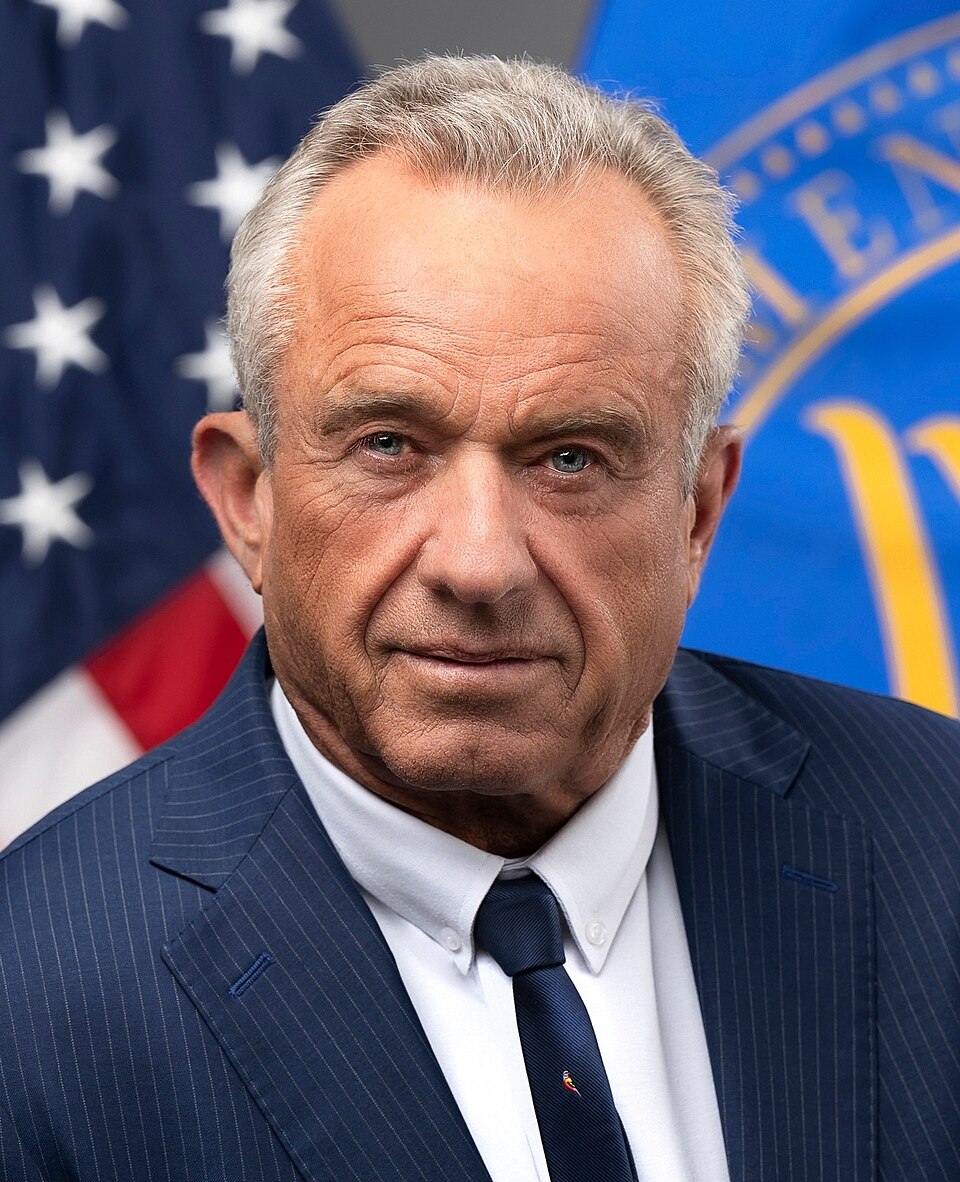
What Perception sells
A political perception platform: candidate data, media influence tracking, algorithm-aware research, API-ready datasets, custom reports, and consulting for teams that need to understand what shapes voter opinion.
Candidate intelligence profiles
Structured profiles covering money, offices, stances, media attention, social reach, perception signals, and institutional power.
Fundraising and donor analytics
FEC-style totals, named committees, PAC activity, cycle snapshots, and source-backed funding mix.
Media and influencer monitoring
Coverage share, topic association, critical-coverage intensity, influencer narratives, and public conversation signals.
Issue stance tracking
Source-backed summaries for immigration, abortion, economy, courts, foreign policy, democracy, and more.
Historical civic data layer
Institutional memory across offices, elections, committees, leadership roles, and time-stamped observations.
API and data licensing
Machine-readable political datasets designed for campaigns, researchers, newsrooms, and civic products.
Custom intelligence reports
Briefings for opposition research, donor landscapes, issue narratives, media windows, algorithm exposure, and race strategy.
Consulting and strategy
Data engineering, digital analytics, research workflows, and campaign intelligence support.
Built for people who need political data to make decisions.
Perception keeps the public voter experience, but the business is a data company: a structured knowledge layer for studying candidates, media momentum, public narratives, and institutional power over time.
Campaigns
Understand your race, opponents, message terrain, funding environment, media narrative, and momentum.
Political consultants
Move from scattered research to repeatable, structured intelligence for clients and races.
Researchers
Study political behavior, institutional history, funding, public narratives, and information environments over time.
Journalists
Find receipts, compare candidates, and spot data-backed context faster.
Advocacy organizations
Track officials, issue stances, aligned influencers, and pressure points across government.
Engaged citizens
Get readable civic profiles without digging through five government databases.
Influence data now. Strategy services next to it.
Perception can sell subscriptions, API access, and custom reports without weakening the public site. The paid layer is about deeper analysis of candidate visibility, media narratives, algorithmic exposure, exports, private dashboards, and strategic support.
Source-backed by default
Every claim should point to public records, platform snapshots, official pages, or a clearly labeled method note.
Structured for analysis
Perception treats politics as a long-term dataset: candidates, offices, elections, committees, narratives, media exposure, and time.
Built for decisions
The goal is faster research and sharper strategy without pretending the data is more certain than it is.
Report products
Lead-gen offers for the first revenue tests
Candidate intelligence brief
A source-backed profile explaining a candidate's money, message, public conversation, perception momentum, and power levers.
Race landscape report
A strategic view of a race, including candidates, issue pressure, media attention, algorithm exposure, and funding dynamics.
Custom intelligence engagement
A deeper consulting project for campaigns, organizations, researchers, or institutional data teams.